
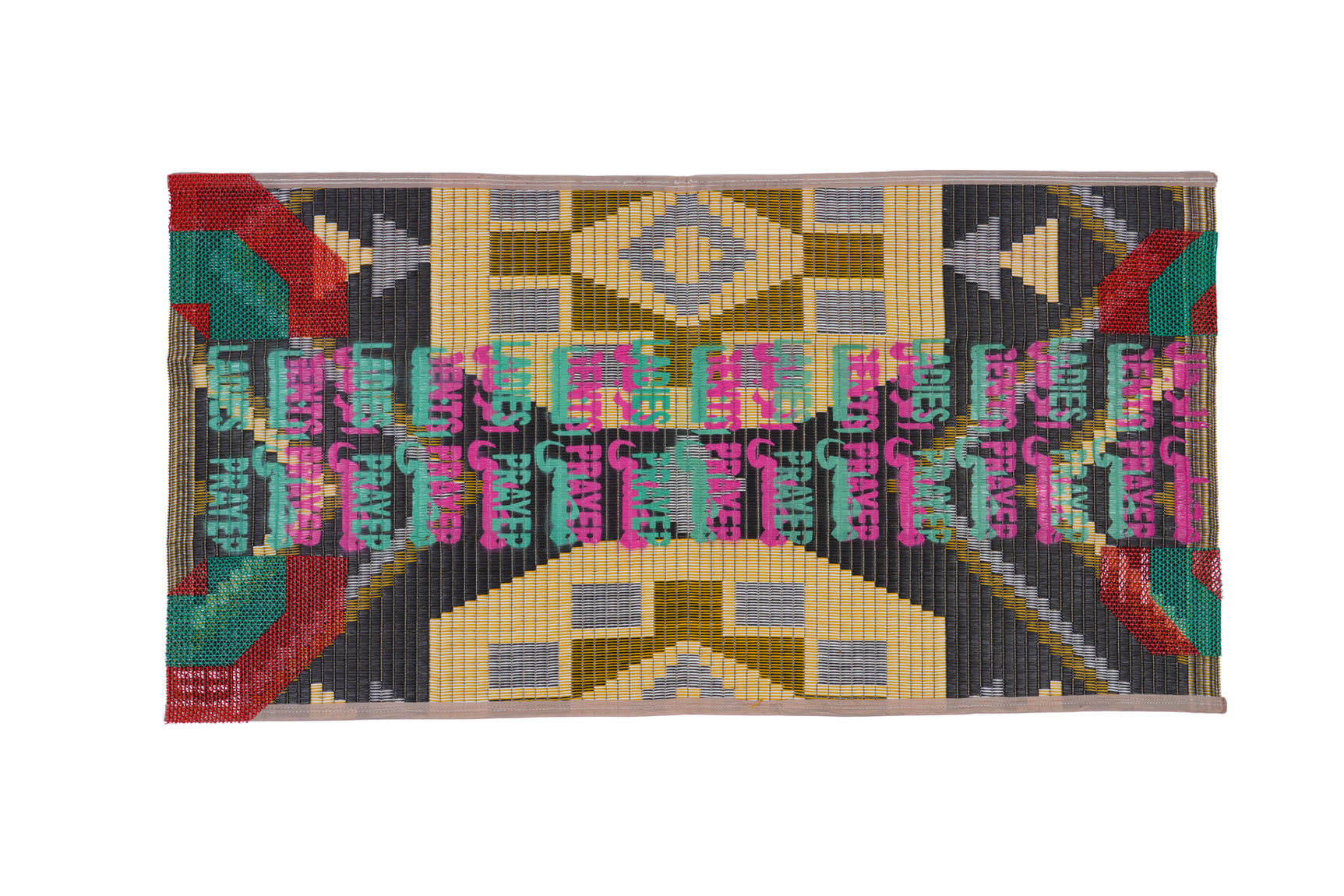
Tashkeel is presenting Provisional Sanctuaries, a new solo exhibition by Dubai-based Malaysian artist and designer Shamin Sharum, examining the modest, temporary prayer spaces that can be found across the UAE’s urban landscape.
The exhibition opened at 6pm on Friday 23 October and will run until 27 November 2026 at Tashkeel, Nad Al Sheba.
According to the exhibition announcement, Shamin Sharum’s work focuses on the small musollas found in settings such as warehouses, shopfronts, industrial areas, temporary cabins and workplaces, rather than the monumental architecture commonly associated with places of worship.
A personal starting point
The press material says the artist’s interest in these spaces became especially significant after he relocated to Dubai. It describes how, during his first days in the city, encountering a musolla in a transient urban setting gave him “an unexpected sense of familiarity” during a period when he felt like an outsider.
Shamin Sharum is quoted in the announcement reflecting on that early experience, describing the musolla as a meeting with “a relative in a crowd” and saying the space offered “a sense of refuge and connection.” The statement adds that Shamin became interested in how modest prayer spaces, despite their temporary nature, can provide recognition shaped by improvised architectural details, colours and the practical needs of the people who use them.
Artworks built from observation and recollection
The exhibition does not present the prayer spaces as literal photographs of rooms, the announcement says. Instead, it states that Shamin uses painting, drawing, architectural maquettes and axonometric studies to isolate details associated with the spaces.
Improvised minarets, hand-painted signage, makeshift ablution areas, prayer mats and ordinary objects are described as traces of communities that temporarily occupy these environments, before returning to everyday routines.
Architecture and memory
The press release frames the musollas as spaces that exist according to immediate need, potentially appearing within workplace or temporary structures and disappearing when surrounding environments change. It also says the exhibition explores cultural cues visible in architectural gestures, colours and signage, noting that these elements can resonate with Muslim communities from South and Southeast Asia.
Rather than depicting people directly, the announcement says human presence is suggested through objects and arrangements, such as shelves holding books and water bottles, the layout of mats, a Quran stand or uneven signage.
Artist background and programme
The announcement highlights Shamin Sharum’s architectural training, saying he studied at Universiti Teknologi MARA in Malaysia and the University of Greenwich in the UK. It also notes his selection for Tashkeel’s 2024 Critical Practice Programme, through which he continued to develop his multidisciplinary practice in Dubai.
Tashkeel General Manager Bakhita Ghanim is quoted describing the exhibition as drawing attention to an element of the UAE’s urban landscape that many people encounter without stopping to consider it, and crediting the programme for supporting the artist’s investigation of ideas emerging from the environment around him.
The exhibition is open to the public during its run until 27 November 2026.